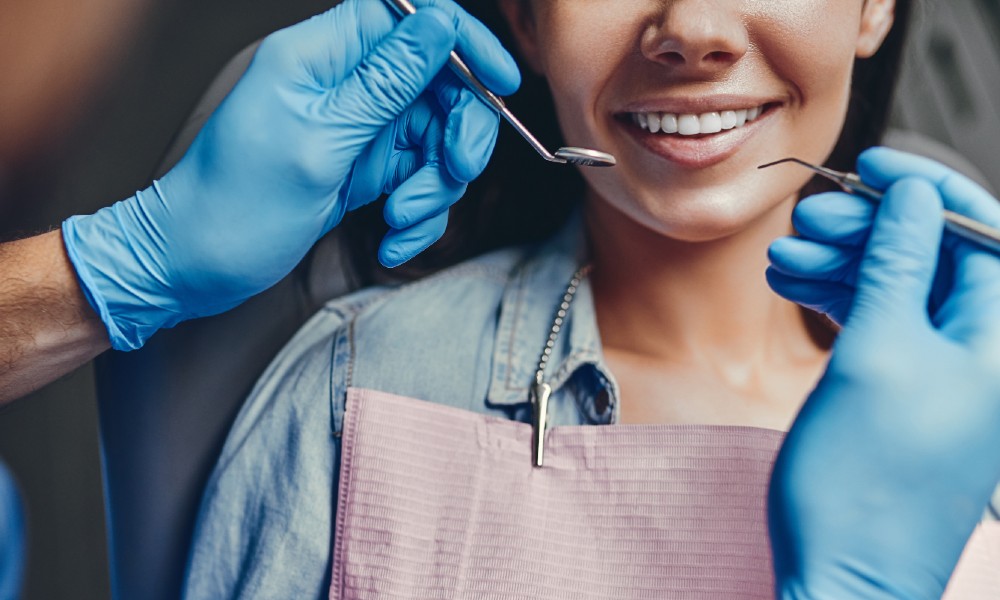
Establishing good oral hygiene habits early in life can set the foundation for a lifetime of healthy smiles. From the moment a baby’s first tooth emerges, caregivers play a vital role in guiding children toward proper dental care. Daily brushing and flossing, regular dental appointments, and healthy eating are all essential pieces of this puzzle.
Sunnyside Dentistry knows a supportive home environment and proactive management of common dental challenges can make the process smoother and even enjoyable. When dental care becomes a normal part of daily life, children are more likely to develop strong habits, avoid cavities, and approach oral health with confidence as they grow.
Building Strong Oral Habits from the Start
Tooth decay can begin earlier than many parents realize, even before a child’s first birthday. When sugars from milk, juice, or snacks remain on the gums or teeth, bacteria can multiply and produce acids that damage enamel. Starting oral care early helps protect baby teeth, which are essential for chewing, speaking, and holding space for adult teeth. Early prevention can save families from future dental procedures and discomfort.
Wiping a baby’s gums with a clean, damp cloth after feedings encourages a healthy mouth. As teeth appear, switching to a soft-bristled toothbrush with a rice-sized amount of fluoride toothpaste supports proper cleaning.
These early habits set the stage for lifelong oral health. Dental routines at this age also help children get used to the sensation of brushing, which reduces resistance as they grow older.
Daily Brushing and Flossing Made Simple
Children thrive on routine, and brushing twice a day can quickly become second nature when it’s built into the morning and bedtime schedule. Starting with a pea-sized amount of fluoride toothpaste once they can spit out the toothpaste (usually around age 3), and guiding their hand as they brush helps them learn the right motion and pressure. Over time, their motor skills improve, allowing them to take more responsibility for their own oral care.
Some kids enjoy brushing more when they can pick out their own toothbrush or use a fun timer that plays music or an app that turns brushing into a game. Flossing becomes important once teeth touch, even if it’s only between a few in the back. Using floss picks or colorful holders can make it easier for little hands and reduce resistance.
Choosing Foods That Support Healthy Teeth
What kids eat has a big impact on their oral health. Sticky candies, fruit snacks, and sugary drinks tend to linger on teeth, fueling cavity-causing bacteria. On the other hand, crunchy fruits and vegetables like apples and carrots help clean teeth as they’re eaten and stimulate saliva production. Saliva is nature’s way of neutralizing harmful acids and washing away food particles.
Drinking water throughout the day, especially after meals, rinses away food particles and helps maintain a balanced pH in the mouth.
Rather than constant snacking, offering balanced meals with limited sugary treats can reduce the time teeth are exposed to harmful acids. Cheese, yogurt, and other calcium-rich foods also contribute to stronger tooth enamel.
Making Dental Visits a Normal Part of Life
The first dental appointment should happen around a child’s first birthday or when the first tooth appears. Early visits allow the dentist to catch potential issues while also helping children become familiar with the sights and sounds of a dental office. Rather than feeling like a special event, appointments can feel routine when parents speak about them with calm, positive language.
When kids see caregivers treating dental visits as part of regular health care, they’re more likely to adopt that same attitude.
Some families find that reading storybooks about going to the dentist or watching lighthearted videos about checkups helps ease any nervousness before the visit. Bringing a favorite stuffed animal or blanket can also offer comfort during the appointment.
Creating a Supportive Home Environment
Consistency is key in helping kids build habits that last. When brushing and flossing are simply part of “getting ready” in the morning and winding down at night, they’re less likely to feel like chores. Parents who brush their teeth alongside their children often find that younger ones mimic their actions without prompting. Turning it into a shared activity reinforces its importance.
Using a sticker chart or letting a child place a favorite toy nearby while brushing can make the routine more engaging. Even small changes in the environment, like keeping toothbrushes in a fun holder or playing a two-minute song during brushing time, can turn a dull task into something enjoyable. Consistent encouragement and praise can motivate children to keep up the good work.
Managing Common Oral Health Challenges
It’s not unusual for young children to feel uneasy about dental visits, especially if they’ve heard scary stories or had a tough experience. Gentle reassurance, distraction techniques, and choosing a pediatric dentist who’s trained in working with children can make a big difference in how a child responds. Patience and a calm demeanor from caregivers often ease anxiety.
Braces and orthodontic appliances require extra care, which can be overwhelming at first. Teaching kids how to clean around brackets or use special floss threaders can boost their confidence.
Parents can also keep an eye out for early signs of trouble like white spots, sensitivity, or bleeding gums, which may point to issues that need a dentist’s attention. Addressing these signs promptly helps prevent more serious problems down the road. Encouraging open conversation about oral discomfort can help children communicate any concerns early.